










Trending Now

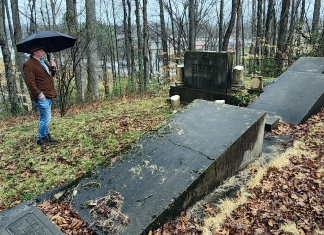
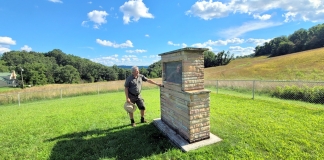
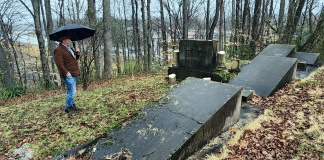
Historians in West Virginia baffled by strange cemetery monuments
OAK HILL, W.Va. — Historians in West Virginia say they're baffled by a strange arrangement of monuments in a cemetery near the New River...




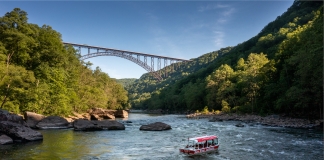
Boat tours transport sightseers to view of New River Gorge Bridge
FAYETTEVILLE, W.Va. — Sightseers in search of a view of the world-famous New River Gorge Bridge — though without the challenges of whitewater rafting...
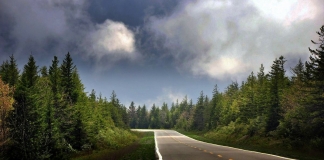
This scenic parkway explores some of West Virginia's highest peaks
MARLINTON, W.Va. — Traveling through a windswept landscape of spruce and cranberry, a scenic parkway that explores some of the highest elevations in West...




Stonewall Jackson park to host Hunting and Fishing Day celebration
ROANOKE, W.Va. — According to West Virginia officials, the state’s National Hunting and Fishing Day...
Governor helps fund 61 outdoor recreation projects in West Virginia
CHARLESTON, W.Va. — Gov. Jim Justice has announced the allocation of funds for 61 outdoor...
Registration open for "Becoming an Outdoors Woman" spring workshop
TWIN FALLS STATE PARK, W.Va. — Registration has opened for the "Becoming An Outdoors Woman"...

Lilacs are associated with this well-known West Virginia ghost story
ELKINS, W.Va. — Lilacs bloom in April and May in West Virginia, which may be a good time to recall one of its best-known...




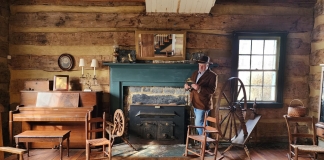
Forgotten West Virginia tavern rediscovered in Greenbrier County
LEWISBURG, W.Va. — Once counted among the most gracious homes in the Greenbrier Valley, the historic Level Tavern on scenic US-219 is being rediscovered,...
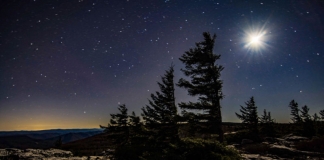
Where are the darkest night skies in rural West Virginia?
MARLINTON, W.Va. — Located entirely within the Appalachian Mountains, West Virginia includes some of the darkest regions of the night sky in the eastern...